
AI isn't a magic box. It's a mirror of the knowledge and data you feed it.
AI processes in minutes what takes a person weeks. But it doesn't know which pattern matters for your situation.
Rather than isolated problems, these five tendencies form one interconnected system. They reinforce each other, and none exists in isolation.
As we grow, we want to involve everyone to safeguard quality. But the unintended tendency is that striving for unanimity devours momentum. Decisions dilute to the lowest common denominator.
To maintain grip on complexity, we reach for meetings. Agendas fill with ritual gatherings where much is shared but little is decided. The real questions remain beneath the surface.
Meanwhile, systems and processes stack up like geological layers. No one oversees the whole anymore. Every new solution is built on top of an old one, causing connections between departments to slowly calcify.
While the organization looks inward to manage complexity, the outside world accelerates. A gap emerges: not from lack of talent, but because the internal bureaucracy simply wasn't designed for this external heartbeat.
Finally, we add technology. AI promises speed, but without a foundation of clarity it only amplifies existing noise. It reinforces the tendencies already there: more output, but not necessarily more value.
10 questions · 2 minutes · Free
Every organization possesses a cognitive core — a brain built from hundreds of neurons that together shape the organization's identity and behavior.
Every team, process, and system forms a neuron in the larger organizational network.
The organizational brain processes information, makes decisions, and drives behavior.
Signals travel continuously between neurons — some amplify, others block.
Beneath the surface lie patterns that determine how the organization truly functions.
The most important insight: you don't tackle the entire organization at once. Instead, we identify exactly which neurons need intervention — and leave the rest untouched.
By addressing each neuron so it seamlessly fits the larger network, we achieve optimal results with minimal disruption.
Every neuron — every team, process, or system — is individually analyzed and treated.
Every intervention accounts for the larger network in which the neuron operates.
Only the neurons that need intervention are addressed. The rest remains untouched.
By working in a targeted way, we minimize the impact on daily operations.
Our three-step transformation breaks old patterns, creates new connections, and activates the full potential of your organization.
Every company carries invisible beliefs that were once useful but now block growth. We make them visible and break them open — not the structure, but the thinking behind it.
Where the old thinking blocked connections, we build new ones. Between people, between teams, between strategy and execution. Clarity, direction, structure, and trust become the new network.
The new thinking flows through the entire organization. Not as theory, but as movement — from insight to action, from standstill to momentum. The organizational brain is activated.
Five ways to activate the thinking — from a sharp first picture to the full trajectory. Everything starts by making visible what is at play.
For companies of 100 to 500 people where growth has turned into complexity. From sharp diagnosis to targeted interventions: we activate the thinking — without tearing everything up.

Where every engagement starts. Scans, conversations where things get stuck, and a network measurement where useful. Then you decide: run with it yourself, one targeted intervention, or the full trajectory.

AI anchored in how your organization thinks, decides, and works. From tool to nervous system — not another isolated pilot.

Breaking consensus and meeting culture with explicit decision rights. Who decides, who advises — and what is never automated.

Measuring collaboration instead of sensing it. Mapped GDPR-proof — from measurement to one targeted intervention.

Want to look for yourself first? Our scans are free — 10 questions, 2 minutes, instant insight.
“ Can your organization ask itself a hard question — and reach a supported, documented decision within a week? That is the test. Not the org chart.
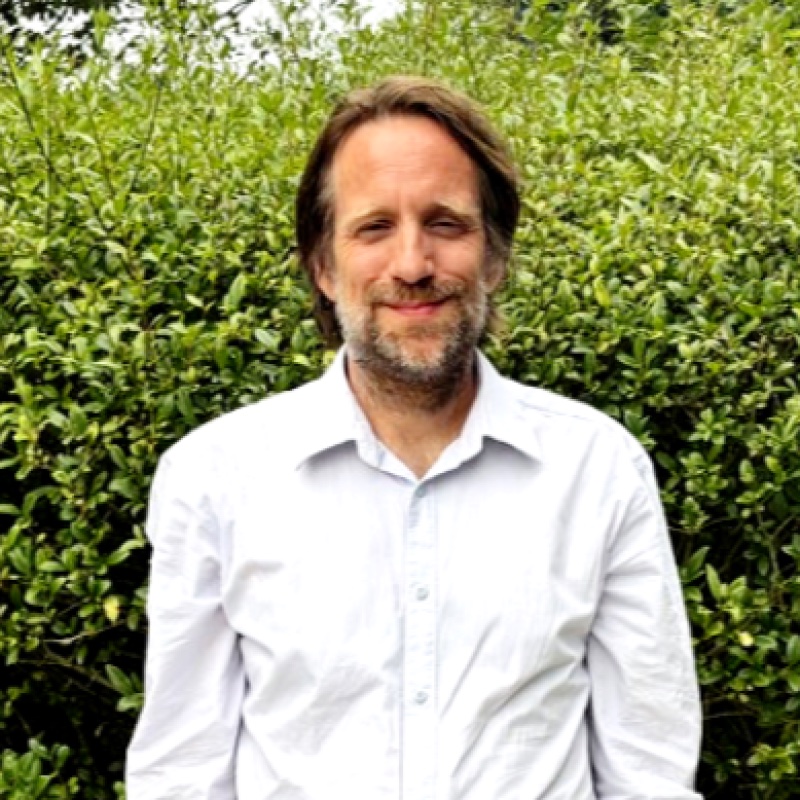
Tijl looks beyond symptoms. Where others see fragmentation, he sees patterns. Where others talk about isolated problems, he names the underlying logic holding the organization captive.
He makes visible what usually stays hidden: the fractures between strategy and execution, between data and decision-making, between technology and human behavior. His strength lies not in adding more complexity, but in exposing what fundamentally no longer works.
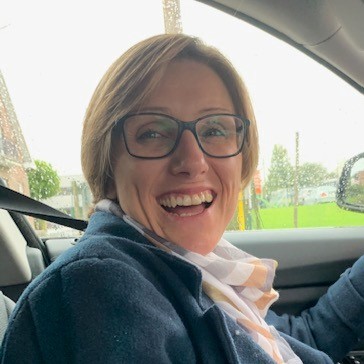
Jetty ensures clarity doesn't remain stuck in insight but becomes tangible in the organization. She brings calm to complexity without losing urgency. She knows how to move from a sharp diagnosis to concrete action — step by step, without wasting energy.
Where Tijl exposes how the organization is wired, Jetty ensures that new clarity actually lands. She restores focus, makes choices workable, and reconnects people with what truly moves things forward.
We don't walk in with a model to lay over your organization. We listen, name, disrupt where needed, and restore what's crucial.
Because growth doesn't ask for more structure.
But for clearer thinking.
Because chaos doesn't disappear by working harder.
But by restoring the right connections.
Because organizations don't need to be reinvented.
They need to be reactivated.
We are not an implementation partner or a tool vendor. We activate the thinking — you stay in control.
Sharp analyses on the forces shaping growing organizations — from decision-making and architecture debt to AI adoption and organizational design.
Do you recognize the signals your organization is running into?
Want to test whether we're truly the lever to reactivate your organization? We'd love to do that over a call.


